Things to Do in Niamey in June
June weather, activities, events & insider tips
Low Season · Budget Friendly
June Weather in Niamey
Long-run averages for June
107°F (42°C)
High Temp
69°F (20°C)
Low Temp
3.1 inches (79 mm)
Rainfall
49%
Humidity
11
Sunny-Day UV
⚠ Extreme heat above 40 degrees Celsius (104 degrees Fahrenheit) persists through most of June. This poses genuine risks of heat exhaustion and heatstroke for unacclimatised visitors. Limit outdoor exposure between 11 AM and 4 PM. Carry oral rehydration salts. Know the signs of heat illness. Confusion, cessation of sweating, and rapid pulse require immediate medical attention.
⚠ The onset of the rainy season brings sudden, intense downpours. These can dump significant rainfall in under an hour. Flash flooding on unpaved roads and in low-lying areas near the Gounti Yena wadi and the Gamkalle quarter can strand vehicles and make foot travel dangerous. Do not attempt to drive or walk through flooded sections. The water depth and current are deceptive.
⚠ Malaria transmission increases sharply as the first rains create mosquito breeding habitat. Antimalarial prophylaxis is strongly recommended. Consult a travel medicine specialist at least four to six weeks before departure. Mosquito nets and DEET-based repellent are essential, not optional. The hours around dusk and dawn are peak biting times.
⚠ Dust storms remain possible in early June before the rains fully establish. These reduce visibility and coat everything in fine Saharan particulate. Travellers with respiratory sensitivities should carry a dust mask or buff scarf. Be prepared for air quality that degrades rapidly when the harmattan makes a late-season return.
Making the most of June in Niamey? Browse tours and activities in Niamey on GetYourGuide.
Is June Right for You?
Weigh the advantages and considerations before booking
Advantages
- + The first rains of the hivernage break months of relentless dry heat. There is nothing quite like the smell of rain hitting Sahelian dust for the first time since October. The whole city seems to exhale. Those early storms, usually arriving as dramatic late, afternoon downpours, drop the temperature by several degrees within minutes. The landscape along the Niger River starts its transformation from parched ochre to pale green. Time it right. You might catch that single afternoon where the sky turns copper, grey and the city collectively pauses to watch the clouds gather.
- + June sits firmly in low season. In Niamey, this means you will likely have the Musee National Boubou Hama nearly to yourself. You can negotiate accommodation rates well below what the dry, season months command. The expat community thins out as diplomatic families leave for summer postings. Tables at riverbank restaurants open up. The usual wait for reliable drivers and guides shortens. For a traveler comfortable with heat and willing to plan around it, the value proposition is strong. Very strong.
- + The Niger River is still wide and moving after the tail end of the previous year's flood cycle. Resident hippo pods near the Pont Kennedy concentrate in predictable stretches rather than dispersing upstream. Early, morning pirogue runs start before 7 AM. The light is golden then. The air is merely hot rather than punishing. Birdlife along the riverbanks, bee, eaters, jacanas, cattle egrets in dense flocks, hits peak activity as the rains trigger insect hatches. Get out early.
- + Mangoes hit absolute peak in June. Niamey's markets overflow with them. Grand Marche stalls pile varieties you will never see exported. Small, fibrous, intensely sweet fruit stains your fingers yellow. It tastes nothing like uniform supermarket specimens back home. Vendors along the Route de Tillaberi sell them by the basin. The scent of ripe mango mingles with charcoal smoke. The sharp tang of grilled kilishi hits you at every roadside stop. Eat them daily.
Considerations
- − There is no gentle way to put this. 42 degrees Celsius (107 degrees Fahrenheit) is extreme heat by any standard. Between roughly 11 AM and 4 PM, outdoor activity becomes inadvisable. The sun flattens the city into a shimmering haze. Metal surfaces burn to the touch. Short walks leave you lightheaded without constant hydration. The first, time visitor who plans a midday walking tour of the Grand Mosque learns this lesson fast. And uncomfortably. Stay indoors.
- − June's rains are just beginning. This means they are unpredictable. You might get three dry days followed by a single violent downpour that turns Niamey's unpaved roads into red laterite rivers within twenty minutes. Drainage infrastructure is limited outside the Plateau and Cite Caisse neighbourhoods. Flash flooding on lower roads near the Wadata and Gamkalle areas can strand vehicles for hours. Road conditions to destinations outside the city, including the route toward W National Park, deteriorate noticeably once the rains begin in earnest. Plan accordingly.
- − Niamey requires more logistical planning than most West African capitals. Reliable ground transport, knowledgeable local guides, and appropriate security awareness are not optional. They are baseline requirements. Travel advisories from most Western governments currently recommend heightened caution. Independent backpacker, style wandering that works in Accra or Dakar demands significantly more preparation here. You will want a trusted local contact. Or a reputable in, country operator arranged well before departure. Do not wing it.
Settled on June? Compare hotel prices in Niamey for your dates on Trip.com.
Best Activities in June
Top things to do during your visit
Niger River Pirogue Excursions at Dawn
The Niger River through Niamey is one of the few places in West Africa where you can reliably spot wild hippopotamus pods from a traditional wooden pirogue. June's early mornings are the window for it. Launch before 6:30 AM from the riverbank near the Pont Kennedy. The air temperature still hovers near 25 degrees Celsius (77 degrees Fahrenheit). The water reflects the pink, and, gold Sahelian sunrise. Hippos surface in the shallows downstream, snorting and rolling. Cattle egrets and pied kingfishers work the banks. By 9 AM the heat pushes you off the water. That two, hour window is worth arranging your entire schedule around. Experienced pirogue operators know the pods' territories and keep a safe distance. Look for operators recommended through Niamey's tourism office or established local guides. The river is wide enough in June that the current is manageable but not sluggish. The lack of other boats on the water at dawn makes the whole experience feel intimate for a capital city.
Booking Tip: Arrange through a local guide or established operator at least a week ahead. Pirogue captains with hippo, spotting experience book up even in low season. Morning, only departures, typically 5:30 to 6:30 AM launch. Confirm life jackets are provided. See current tour options in the booking section below. Book early.
Musee National Boubou Hama and Cultural Quarter
Niger's national museum is the single best use of a hot afternoon in Niamey. The grounds spread across several hectares with shaded paths between open, air pavilions housing traditional Hausa, Zarma, and Tuareg architecture reconstructed at full scale. You can walk through a complete Hausa compound. Duck into a Tuareg tent made of tanned hides that smell faintly of leather and smoke. Examine dinosaur fossils from the Tenere desert that predate human habitation of the Sahel by 110 million years. The artisan centre within the museum complex sells silverwork, leathercraft, and indigo, dyed textiles directly from the craftspeople making them. You can watch a Tuareg silversmith hammering a cross of Agadez pendant while midday heat radiates off the sand outside. June's lower visitor numbers mean you can sit with the artisans and ask questions without being jostled. The museum's scattered shade trees make the outdoor exhibits bearable even when temperatures peak. Seek the shade.
Booking Tip: Skip advance booking for the museum itself. Simply arrive. Aim for late morning or late afternoon to avoid the worst midday heat. A French-speaking guide from the museum entrance adds enormously to the experience and can be arranged on arrival. See the booking section below for guided cultural tours that include the museum.
Grand Marche and Petit Marche Market Immersion
Niamey's Grand Marche is the commercial engine of the city. It is a dense, covered maze of stalls where the air is thick with the scent of ground ginger, dried hibiscus petals for bissap, and the woody perfume of incense sold by Hausa traders from enormous burlap sacks. June's mango season turns the fruit section into a sensory overload. Pyramids of golden fruit stack on wooden tables. Vendors slice samples with machetes. Juice runs over everything. The textile section sells wax-print fabric and hand-embroidered boubous in patterns you will not find replicated anywhere outside the Sahel. Across the city, the Petit Marche caters more to everyday goods and has a less overwhelming scale that some visitors prefer for a first market experience. Go at 7 AM when traders are still setting up and the temperature is merely warm rather than searing. By 10 AM the covered sections trap the heat like an oven, and you will want to be done. The bargaining culture here is straightforward and expected. Starting at roughly half the first stated price is a reasonable opening.
Booking Tip: No booking needed. Going with a French- or Zarma-speaking companion transforms the experience from overwhelming to navigable. Arrange a local guide the day before through your accommodation or a local operator. Keep valuables close in the dense market sections. See booking options below for guided market tours.
Sunset Brochette Circuit Along the River Road
As the sun drops toward the Niger River around 6 PM and temperatures finally ease below 35 degrees Celsius (95 degrees Fahrenheit), Niamey comes alive along the riverside road between the Pont Kennedy and the Gaweye area. This is the city's evening ritual. Charcoal grills fire up at dozens of open-air brochette stands. The smell of spiced lamb fat dripping onto coals drifts across the road in a haze of blue smoke. Kilishi vendors display their sheets of dried, chili-rubbed beef on wooden racks like edible tapestries. The texture is almost jerky-like but thinner, and the heat from the ground cayenne builds slowly. Pair it with a cold bissap, the deep-red hibiscus drink served sweet and slightly tart from the ice chest, or fresh ginger juice sharp enough to make your eyes water. The river at sunset turns from brown to molten copper. The Nigeriens walking the banks at dusk, families, couples, knots of teenagers playing music from phone speakers, make it clear this is their city's living room, not a tourist attraction. June's humidity softens the air just enough that the evening breeze off the water feels like relief.
Booking Tip: No formal booking needed. This is a self-guided evening walk. Ask your hotel or local contact to suggest which stretch of the riverbank road is liveliest on a given evening. Food stalls generally operate from around 5:30 PM until late. See the booking section for guided food and cultural walking tours that include riverside dining.
Grand Mosque of Niamey and Plateau Quarter Walking Tour
The Grand Mosque of Niamey, with its soaring minaret visible from across the Plateau neighbourhood, is the city's most recognisable structure and worth visiting both for the architecture and for the neighbourhood it anchors. The mosque's exterior is imposing modernist concrete softened by geometric Islamic motifs. When the muezzin's call rings out at prayer time, it reverberates off the surrounding government buildings in a way that stops foot traffic. Non-Muslim visitors cannot enter during prayer times but can visit at other hours. Ask permission respectfully and dress conservatively. In June's heat this means lightweight long sleeves and long trousers in breathable fabric. The surrounding Plateau quarter is Niamey's most walkable neighbourhood. It has tree-lined avenues (relative to the rest of the city), government ministries from the post-independence era, and the area where most embassies and expat residents cluster. Early morning, before 8 AM, is the only reasonable time for this walk in June. Even the shade temperature will climb past 35 degrees Celsius (95 degrees Fahrenheit) by mid-morning.
Booking Tip: No entry fee for the mosque outside of prayer times. Respectful attire is mandatory. Arrange a local guide who can help introductions and translate. This is a neighbourhood where speaking even basic Zarma greetings opens doors. Book a half-day cultural guide through a local operator at least a few days ahead. Check the booking section below for current guided tour availability.
Where to Stay in Niamey in June
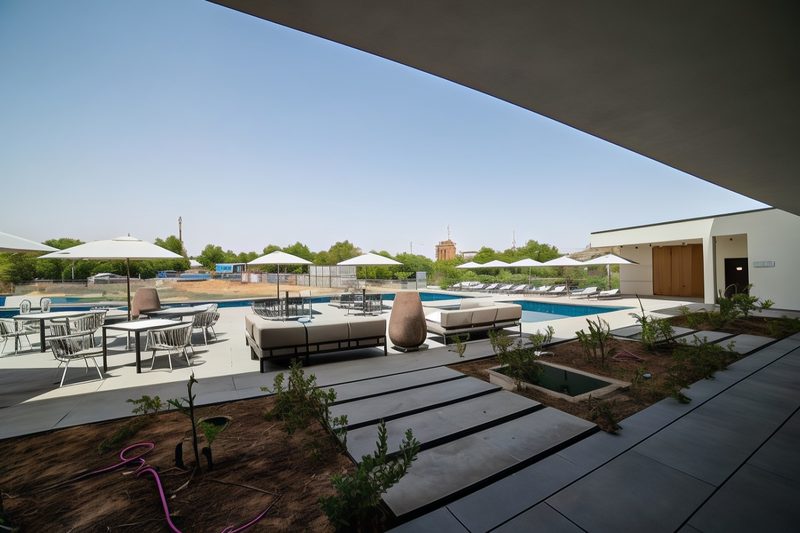
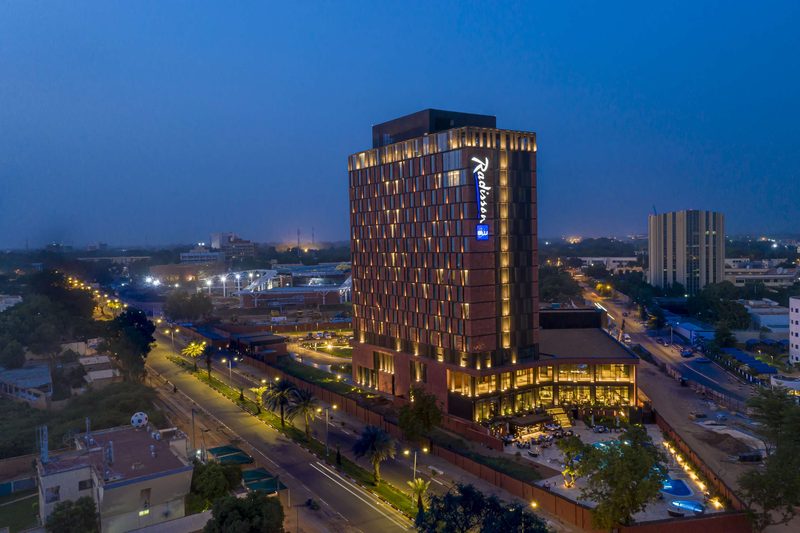
Hand-picked hotels across price tiers for June travellers.
Packing Checklist
Bookmark this page — your progress is saved between visits
Need the full list with shopping links?
Climate-specific gear, brand recommendations, and what to leave at home.
View Niamey Packing List →Essential Tips
Insider knowledge and common pitfalls to avoid
Insider Knowledge
Greetings in Niamey are not optional. Before any transaction, any question, any interaction, you greet. In Zarma it is 'Mate ni goy' (how is the work going) or 'Fo fo' (hello). In Hausa use 'Sannu' or 'Ina kwana' (how did you sleep). Skipping straight to business reads as shockingly rude. Spend a day learning basic greeting sequences from your guide or hotel staff. The investment pays off in warmth, helpfulness, and prices that start lower because you have shown respect.
The expat community in Niamey concentrates in the Plateau quarter and the Cite Caisse area near the university. Their informal network is your best source of real-time information on road conditions, which riverside restaurants are currently operating, and which local guides are trustworthy. If your accommodation has a shared dining area, the NGO workers and diplomatic staff who frequent them have ground-truth knowledge no guidebook can replicate. Buy someone a Biere Niger, the local lager, slightly bitter and served ice-cold. Ask them what they would do with a free afternoon.
June's heat means Niamey operates on a split schedule. The city is active from roughly 6 AM to 10 AM, then goes quiet through the worst of the afternoon heat, and comes alive again after 5 PM. Fighting this rhythm makes you miserable. You will find half the city shuttered. Align yourself with local timing: early mornings for markets and outdoor exploration, midday for rest or museum visits in shade, evenings for food and social life along the river.
The ginger juice sold from glass thermoses at market stalls and roadside vendors is Niamey's great unsung drink. Freshly pounded ginger root is blended with water, sugar, and sometimes a squeeze of lemon. It is served ice-cold if you are lucky. The heat from the ginger cuts through the humidity in a way that somehow makes you feel cooler. This sounds counterintuitive until you try it. Bissap, the ruby-red hibiscus infusion, is the other staple. Both are far better options than imported soft drinks. Ordering them signals to locals that you are paying attention to where you are.
Avoid These Mistakes
Avoid planning outdoor activities between 11 AM and 4 PM. This sounds obvious on paper. Yet remarkably high numbers of first-time visitors to Niamey attempt midday walking tours of the Grand Marche. They end up dizzy, dehydrated, and retreating to air conditioning. At 42 degrees Celsius (107 degrees Fahrenheit), exposed skin burns in under fifteen minutes. Asphalt radiates heat upward like an open oven. Plan your day around the local rhythm: out early, sheltered by late morning, back out at dusk.
Do not skimp on water. The dry Sahelian air deceives you. Sweat evaporates so quickly you do not feel how much fluid you are losing until your head starts pounding. The rule of thumb among long-term Niamey residents is a minimum of four litres (about a gallon) per day when spending any time outdoors. Drink steadily rather than in large gulps. Sealed bottled water is available everywhere. Carry a supply between stops. Do not count on finding a vendor exactly when thirst hits.
Spontaneous wandering works in Dakar or Accra. It does not work in Niamey. The city rewards planned exploration with a local guide or trusted contact. The security environment demands situational awareness. Certain areas are best avoided after dark. The lack of street signage outside the Plateau makes navigation difficult without someone who knows the city. This is not a reflection on the hospitality of Nigeriens, who are, as a rule, extraordinarily welcoming. It is a practical reality of travelling in the current environment.
Short on time? See day trips around Niamey on GetYourGuide.
Ready to plan your trip to Niamey?
Now that you've got the research covered, here's where to go next.
Explore More Activities in Niamey
Didn't see anything interesting yet?
Browse Viator's full catalog of tours, day trips, food experiences, and private guides in Niamey.
See All Niamey Tours on Viator